Physical Therapy for Lower Back Pain in Plainfield NJ
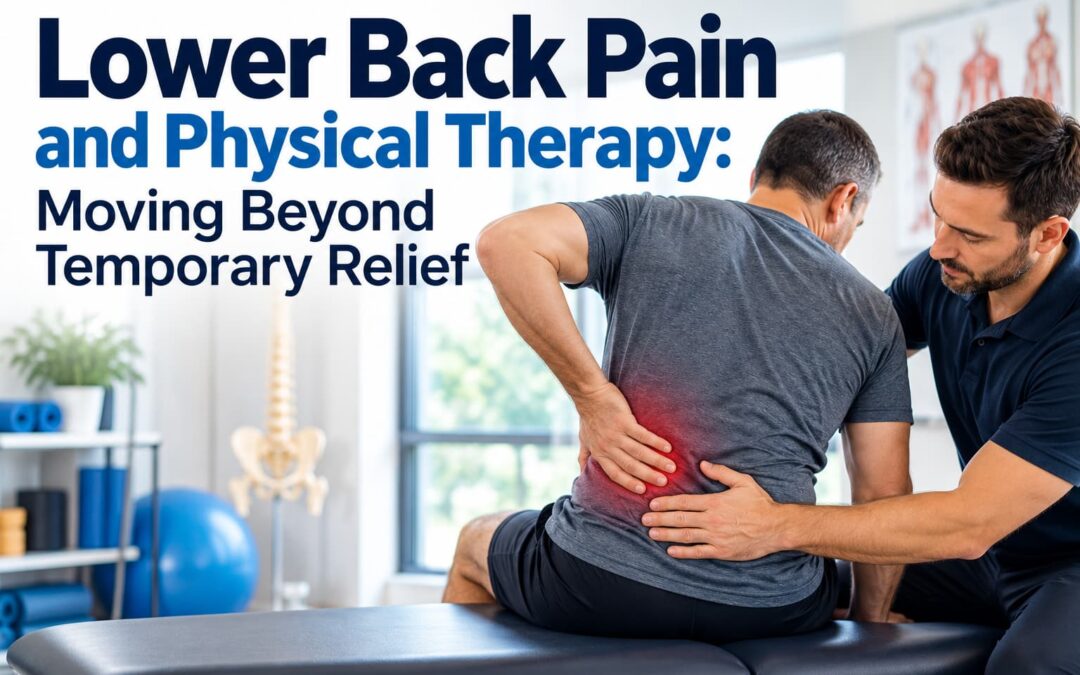
Lower back pain can affect almost every part of daily life—from getting out of bed and sitting at work to lifting groceries, exercising, or simply walking comfortably. While rest may temporarily reduce symptoms for some people, physical therapy for lower back pain focuses on restoring movement, strength, mobility, and function so patients can work toward returning to the activities that matter to them. The American Physical Therapy Association (APTA) provides information about physical therapy and how physical therapists help patients improve movement and function.
At Rapid Relief in Plainfield, NJ, physical therapy can be individualized according to each patient’s symptoms, physical limitations, evaluation findings, and personal goals.
Why Is Lower Back Pain So Common?
The lower back is involved in an enormous number of everyday movements.
Standing, sitting, walking, bending, lifting, twisting, exercising, and even changing positions in bed can place different demands on the muscles and joints surrounding the lower back.
Back pain can also have many potential causes and contributing factors. That is one reason two people who both say, “My lower back hurts,” may need very different rehabilitation strategies.
Factors that may be relevant can include:
- Injury or physical strain
- Reduced mobility
- Weakness or reduced physical capacity
- Repetitive physical activities
- Sudden changes in activity
- Prolonged sitting or standing
- Work-related physical demands
- Age-related changes
- Previous injuries
- Certain medical conditions
A physical therapy evaluation helps determine which factors may be relevant for the individual patient.
Why Rest Alone May Not Solve Recurring Back Pain
When your back hurts, avoiding movement may seem like the safest option.
Short-term modification of aggravating activities may sometimes be appropriate, but simply avoiding movement indefinitely doesn’t necessarily address the functional limitations associated with the problem.
Consider someone whose back begins hurting every time they lift objects at work.
Resting over the weekend might make the symptoms feel better.
But what happens Monday morning when that person returns to the same physical demands?
This is where rehabilitation becomes important.
Instead of asking only:
“How do we make the pain go away?”
Physical therapy can also ask:
“What does this person need to be able to do again?”
What Does a Physical Therapist Evaluate?
A physical therapist doesn’t necessarily look only at the painful area.
Depending on the patient’s symptoms and history, the evaluation may examine several areas.
| Area Evaluated | Why It Matters |
|---|---|
| Lower-back mobility | Identifies limitations in spinal movement |
| Hip mobility | May affect bending and other functional movements |
| Strength | Identifies areas that may require strengthening |
| Functional movement | Shows how symptoms affect everyday activities |
| Bending and lifting | Important for work and daily activities |
| Walking tolerance | Helps assess functional capacity |
| Sitting/standing tolerance | Relevant for occupational and daily demands |
| Patient goals | Determines what rehabilitation should work toward |
The objective is to connect clinical findings with what the patient is actually having difficulty doing.
Physical Therapy Isn’t Just About Stretching
One common misconception is that physical therapy for back pain means receiving a list of stretches.
Stretching may be appropriate in some rehabilitation programs, but physical therapy can involve much more.
Depending on the evaluation, treatment may incorporate:
Therapeutic exercise → manual therapy → mobility work → strengthening → movement training → education → progressive return to activities
The exact combination should depend on the individual rather than a generic back-pain protocol.
Therapeutic Exercise for Lower Back Pain
Therapeutic exercise is designed around specific rehabilitation objectives rather than simply providing a workout.
Exercises may focus on improving:
- Strength
- Mobility
- Flexibility
- Movement control
- Muscular endurance
- Balance
- Functional capacity
- Tolerance for physical activity
The exercises should also progress.
An exercise appropriate during the beginning of rehabilitation may eventually become too easy to produce the desired training effect.
As the patient improves, the therapist can modify resistance, repetitions, movement complexity, or functional demands.
Why Hip Strength and Mobility May Matter
A patient may point directly to the lower back and say:
“This is where the problem is.”
But the painful location isn’t necessarily the only area worth evaluating.
The hips participate in walking, bending, squatting, lifting, climbing stairs, and many other movements.
For some patients, hip strength or mobility may therefore be relevant to their overall movement strategy.
This doesn’t mean every case of back pain comes from the hips.
It means a comprehensive evaluation should consider how different areas of the body contribute to the movements the patient needs to perform.
Manual Therapy for Lower Back Pain
Manual therapy refers to hands-on techniques that a physical therapist may incorporate when clinically appropriate.
Depending on evaluation findings, treatment might include techniques intended to address certain mobility or movement limitations.
Manual therapy, however, doesn’t necessarily replace active rehabilitation.
A useful way to think about the relationship is:
Manual therapy may help facilitate movement.
Therapeutic exercise helps the patient actively build movement capacity.
Both can have roles within an individualized treatment plan.
What Is Joint Mobilization?
Joint mobilization is one form of manual therapy.
Physical therapists may use controlled movements to address certain joint mobility restrictions when appropriate.
The technique isn’t automatically necessary for everyone experiencing back pain.
The therapist first needs to determine whether mobility restrictions are relevant and whether joint mobilization is appropriate for the individual patient.
This is another reason professional evaluation is more useful than selecting treatment based solely on where something hurts.
Back Pain From Sitting All Day
People who work at computers sometimes assume that sitting itself has permanently damaged their backs.
The situation is often more nuanced.
Instead of searching endlessly for a single “perfect” sitting posture, it may be useful to consider:
How long are you sitting without changing position?
What happens when you stand or walk?
Which positions aggravate your symptoms?
How much physical activity are you getting outside work?
What movements have become difficult?
Ergonomic changes may be useful, but they may represent only one part of a broader strategy.
Physical therapy can also work on mobility, strength, movement, and tolerance for everyday activities.
Back Pain When Bending or Lifting
Fear of bending can become a significant problem for some people experiencing back pain.
But avoiding bending forever isn’t realistic.
We bend to:
- Put on shoes
- Pick things up
- Load groceries
- Perform household tasks
- Exercise
- Work
- Care for children
- Perform countless everyday activities
When appropriate, rehabilitation can progressively work toward restoring tolerance for these movements.
The progression might look something like:
Comfortable basic movement
↓
Controlled bending
↓
Strengthening
↓
Light resistance
↓
Progressive loading
↓
Functional lifting
↓
Return to normal activities
The exact progression depends on the patient and should be clinically appropriate.
Why Does Lower Back Pain Keep Coming Back?
Recurring symptoms are frustrating because patients may feel like they’re repeatedly returning to the beginning.
Sometimes the better question isn’t simply why the pain returned.
It is:
What changed when the symptoms returned?
Did work become more physically demanding?
Did activity suddenly increase?
Did the patient stop exercising?
Did sitting time increase?
Did they return to lifting before rebuilding sufficient tolerance?
These questions can provide valuable information when designing rehabilitation.
Physical therapy can use those patterns to help patients progressively prepare for their actual daily demands.
How Should Progress Be Measured?
A pain scale can provide useful information, but rehabilitation shouldn’t necessarily be judged by pain alone.
Suppose someone initially couldn’t sit longer than 20 minutes without needing to change position.
Several weeks later, that person can comfortably work for substantially longer periods.
That’s meaningful functional progress.
Other useful measures might include:
- Increased walking tolerance
- Improved range of motion
- Greater strength
- Improved ability to bend
- Improved lifting tolerance
- Longer sitting or standing tolerance
- Return to work activities
- Return to exercise
- Greater independence with everyday tasks
The best measurements relate directly to the patient’s original limitations and goals.
When Should You Consider Physical Therapy for Back Pain?
An appropriate healthcare evaluation may be useful when lower back pain continues interfering with:
Walking → Sitting → Standing → Bending → Lifting → Working → Exercising → Sleeping → Everyday activities
Physical therapy may be one conservative treatment option depending on the individual’s condition.
However, significant trauma, progressive weakness, major numbness or neurological changes, bowel or bladder changes, fever associated with severe back pain, or other concerning symptoms warrant appropriate medical evaluation.
The Goal Isn’t Just Less Pain—It’s Better Function
A meaningful rehabilitation plan should ultimately help patients regain the physical abilities they need outside the clinic.
That might mean comfortably sitting through a workday.
It might mean lifting equipment at work.
It could mean returning to the gym, gardening, walking longer distances, traveling, or playing with children.
The goal is therefore larger than simply asking:
“Does your back hurt today?”
A better question may be:
“What can you do today that you couldn’t comfortably do when treatment started?”
That functional perspective can help keep rehabilitation focused on meaningful progress.
Looking for Physical Therapy for Lower Back Pain in Plainfield, NJ?
If lower back pain is making it difficult to work, exercise, walk, sit, bend, lift, or perform everyday activities, Rapid Relief offers physical therapy services in Plainfield, New Jersey.
An individualized evaluation can help identify mobility and functional limitations and establish an appropriate rehabilitation strategy based on your condition and goals.
Contact Rapid Relief
Phone: 908-941-4762
Office: 1280 Randolph Rd, Suite 105
Plainfield, NJ 07060
Email: therapy@rapidreliefpt.com
Website: https://rapidreliefpt.com/