
Physical Therapy in Plainfield NJ
Pain, stiffness, weakness, or limited mobility can make even simple activities—walking, working, exercising, driving, or getting out of bed—more difficult. Physical therapy in Plainfield, NJ can help improve movement, strength, mobility, and everyday function through an individualized rehabilitation program designed around your specific limitations and goals. The American Physical Therapy Association (APTA) offers educational resources about physical therapy and its role in improving movement and function.
At Rapid Relief in Plainfield, NJ, physical therapy may incorporate therapeutic exercise, manual therapy, joint mobilization, movement training, and other rehabilitation techniques based on a patient’s evaluation and individual needs.
What Is Physical Therapy?
Physical therapy is a form of rehabilitation focused on improving movement and physical function. Rather than looking only at where something hurts, a physical therapist can evaluate factors such as mobility, strength, flexibility, balance, joint movement, movement patterns, and the patient’s ability to perform everyday activities.
This distinction matters.
Two people can both report lower back pain but have very different functional limitations. One may struggle with prolonged sitting, while another experiences difficulty bending, walking, lifting, or returning to exercise.
That’s why effective physical therapy should not be a one-size-fits-all collection of exercises.
What Conditions Can Physical Therapy Help Address?
Physical therapy may be appropriate for people experiencing a variety of musculoskeletal and movement-related problems, including:
- Back pain
- Neck pain and stiffness
- Joint pain and limited mobility
- Muscle weakness
- Sports-related injuries
- Work-related injuries
- Difficulty walking or moving comfortably
- Reduced range of motion
- Post-surgical rehabilitation
- Balance and functional mobility problems
- Difficulty returning to normal activities after an injury
The appropriate treatment depends on the individual’s condition, medical history, symptoms, functional limitations, and goals.
Why Does Pain Sometimes Keep Coming Back?
One of the most important questions isn’t simply “Where does it hurt?”
It’s also:
“What is preventing this person from moving and functioning normally?”
Recurring discomfort can sometimes involve more than the painful area itself. Strength deficits, mobility restrictions, movement habits, joint limitations, activity demands, and other factors may influence how someone moves.
A physical therapy evaluation helps identify which factors may be relevant for an individual patient.
This is one reason simply waiting until discomfort temporarily improves may not always address the functional problem that contributed to the symptoms.
What Happens During a Physical Therapy Evaluation?
Your first physical therapy appointment is an opportunity for the therapist to understand both your symptoms and how those symptoms affect your life.
Depending on your situation, the evaluation may examine:
| Area Evaluated | Why It Matters |
|---|---|
| Range of motion | Identifies limitations in movement |
| Strength | Helps identify weakness or muscular deficits |
| Joint mobility | Evaluates how specific joints are moving |
| Functional movement | Shows how symptoms affect everyday activities |
| Balance | Identifies stability or mobility challenges |
| Activity tolerance | Determines which activities aggravate symptoms |
| Patient goals | Helps establish meaningful treatment objectives |
The therapist can then use the findings to develop an individualized treatment plan.
Manual Therapy and Joint Mobilization
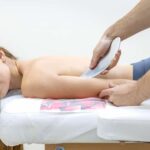
Manual therapy involves hands-on techniques that physical therapists may use as part of a broader rehabilitation program.
Depending on the patient’s needs, treatment may include joint mobilization, soft-tissue techniques, or other hands-on interventions designed to address mobility restrictions and help facilitate movement.
But manual therapy shouldn’t necessarily be viewed as the entire treatment.
The bigger objective is often to combine appropriate hands-on treatment with active rehabilitation that helps the patient progressively improve movement and function.
Therapeutic Exercise: Building Capacity, Not Just Doing Stretches
Therapeutic exercise is another important component of many physical therapy programs.
These exercises aren’t simply generic stretches downloaded from the internet. A physical therapist can select and progressively modify exercises based on the patient’s evaluation, abilities, response to treatment, and functional goals.
Exercises may focus on improving:
- Strength
- Mobility
- Flexibility
- Balance
- Coordination
- Movement control
- Endurance
- Tolerance for everyday activities
As the patient progresses, exercises can be adjusted to provide an appropriate challenge.
The long-term objective is not simply to perform exercises inside the clinic. It’s to help patients develop the physical capacity needed for activities that matter in their daily lives.
Physical Therapy for Back Pain
Back pain is one of the most common reasons people seek physical therapy.
Treatment shouldn’t automatically consist of the same exercises for everyone with lower back pain. A physical therapist may evaluate how the patient bends, walks, sits, stands, lifts, and performs other movements.
For example, someone who experiences discomfort after sitting at a desk all day may have very different rehabilitation needs from someone whose symptoms primarily appear while lifting objects at work.
Treatment may include therapeutic exercise, mobility work, manual therapy, education, and progressive return to activities when appropriate.
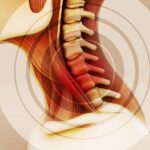
Physical Therapy for Neck Pain
Neck discomfort can affect much more than neck movement.
It may make working at a computer, driving, sleeping, exercising, or turning your head difficult.
A physical therapy evaluation may examine cervical movement, strength, mobility, posture, functional activities, and other relevant factors.
Depending on the findings, treatment may incorporate exercises, manual therapy, joint mobilization, movement education, and strategies for gradually restoring comfortable function.
Manual Therapy vs. Exercise: Which Is Better?
This is a common question, but it doesn’t always have to be an either-or decision.
Manual therapy and therapeutic exercise can serve different purposes within the same rehabilitation program.
Hands-on treatment may be incorporated when appropriate to address mobility or movement limitations, while therapeutic exercise helps patients actively develop strength, mobility, coordination, and tolerance for activity.
A good rehabilitation program should evolve as the patient progresses rather than keeping someone dependent on passive treatment alone.
How Long Does Physical Therapy Take?
There isn’t one treatment timeline that applies to everyone.
Recovery can depend on factors including:
- The type and severity of the condition
- How long symptoms have been present
- Overall health
- Previous injuries
- Functional limitations
- Treatment goals
- Consistency with therapy and recommended exercises
- How the patient responds to treatment
Some patients may have relatively straightforward functional limitations, while others may require a longer rehabilitation process.
Your physical therapist can establish goals and periodically reassess your progress.
When Should You Consider Physical Therapy?
Consider speaking with a healthcare professional or physical therapist when pain, stiffness, weakness, or limited movement begins interfering with everyday life.
That could include difficulty:
Walking comfortably → climbing stairs → working → exercising → bending → lifting → driving → sleeping comfortably → returning to recreational activities
You don’t necessarily have to wait until a movement problem becomes severe before addressing it.
Persistent or worsening symptoms, significant weakness, numbness, neurological symptoms, or symptoms following serious trauma should receive appropriate medical evaluation.
The Goal Is Bigger Than Temporary Pain Relief
Physical therapy isn’t simply about trying to make a painful area feel better for a few hours.
The broader goal is to help people move better, become stronger, improve function, and return to activities that matter to them.
A well-designed rehabilitation program should therefore evolve with the patient.
Evaluation → Identify limitations → Establish goals → Begin treatment → Progress exercises → Reassess → Return to activities
At Rapid Relief, the physical therapy process focuses on understanding each patient’s individual needs and developing an appropriate rehabilitation strategy to support improved movement and everyday function.
Looking for Physical Therapy in Plainfield, NJ?
If pain, stiffness, weakness, or limited mobility is making everyday activities more difficult, consider scheduling an evaluation with Rapid Relief.
The team can evaluate your movement and functional limitations and determine an appropriate physical therapy plan based on your individual needs and goals.
Contact Rapid Relief
Phone: 908-941-4762
Office: 1280 Randolph Rd, Suite 105
Plainfield, NJ 07060
Email: therapy@rapidreliefpt.com
Website: https://rapidreliefpt.com/