Sports and physical activity play an important role in maintaining a healthy lifestyle, but they also carry the risk of injury. Whether you are a competitive athlete, a weekend warrior, or someone who enjoys staying active, sports injuries can significantly disrupt your routine and quality of life. Understanding common sports injuries—and how physical therapy accelerates sports injury recovery—is essential for a safe and effective return to activity. According to the American Physical Therapy Association (APTA) (https://www.apta.org/), physical therapy plays a critical role in reducing pain, restoring movement, preventing re-injury, and helping patients return to activity safely and efficiently.
At Rapid Relief Medical Group, we specialize in helping patients recover from sports-related injuries through personalized physical therapy programs designed to restore mobility, strength, and confidence.
Understanding Common Sports Injuries
Sports injuries can occur suddenly due to trauma or develop gradually from overuse. Some of the most common injuries seen in active individuals include:
Sprains and Strains
Sprains affect ligaments, while strains impact muscles or tendons. These injuries often occur during sudden movements, twisting, or overstretching and are common in ankles, knees, and shoulders.
Tendon Injuries
Overuse can lead to tendon inflammation or microtears, such as Achilles tendonitis or tennis elbow. These conditions often worsen over time if not properly treated.
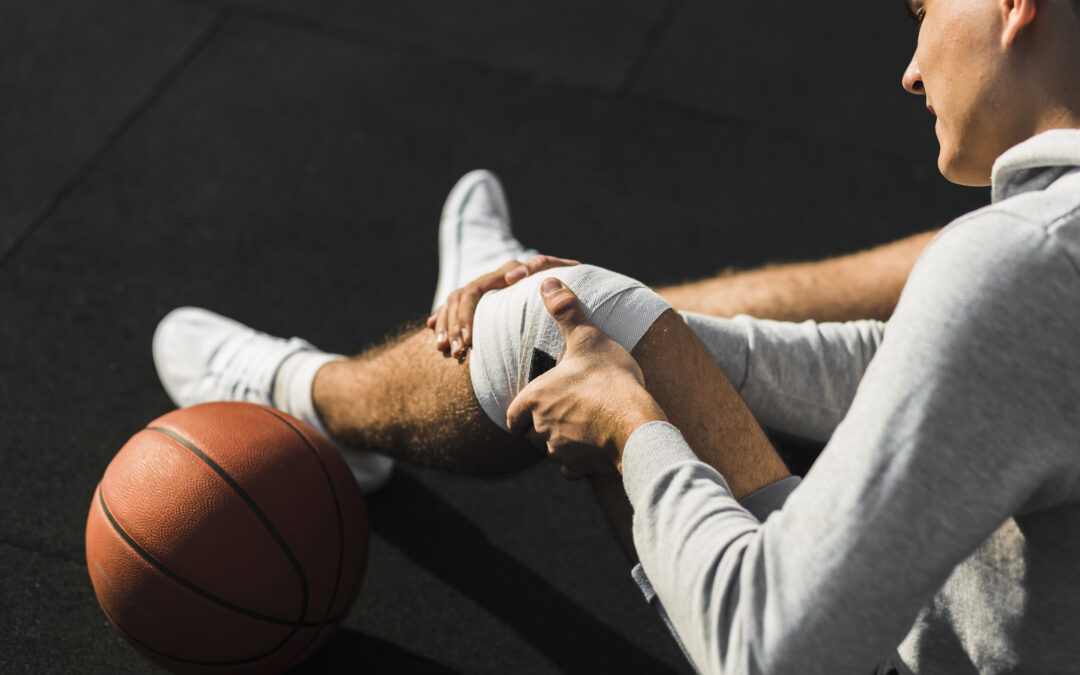
Knee Injuries
Knee injuries are frequent in sports involving jumping, pivoting, or sudden stops. Damage to ligaments, cartilage, or surrounding muscles can significantly limit mobility.
Shoulder Injuries
Shoulder injuries are common in sports that involve repetitive overhead motion, such as swimming, baseball, or weightlifting. These injuries can affect range of motion and daily function.
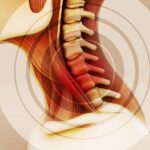
Back and Neck Injuries
Improper technique, poor posture, or sudden impact can lead to back or neck pain that interferes with both athletic performance and everyday activities.
Why Ignoring Sports Injuries Can Delay Recovery
Many athletes attempt to “push through” pain, assuming rest alone will solve the problem. Unfortunately, untreated injuries can lead to chronic pain, reduced performance, and a higher risk of re-injury.
Delaying proper care may result in:
- Longer recovery times
- Reduced flexibility and strength
- Compensatory movement patterns
- Increased risk of chronic conditions
Early intervention is key to successful sports injury recovery.
How Physical Therapy Supports Faster Sports Injury Recovery
Physical therapy is one of the most effective, non-invasive approaches to treating sports injuries. Rather than simply masking symptoms, physical therapy addresses the root cause of pain and dysfunction.
1. Personalized Treatment Plans
At Rapid Relief Medical Group, physical therapy programs are tailored to each patient’s specific injury, activity level, and recovery goals. This individualized approach ensures safer and more efficient healing.
2. Pain Reduction Without Reliance on Medication
Targeted therapeutic techniques help reduce inflammation, improve circulation, and relieve pain—often minimizing the need for long-term medication use.
3. Restoring Strength and Flexibility
Physical therapy focuses on strengthening weakened muscles and improving flexibility to support injured areas. This helps restore balance and prevent future injuries.
4. Improving Mobility and Range of Motion
Restricted movement is common after injury. Guided exercises and manual therapy techniques help patients regain full range of motion safely.
5. Preventing Re-Injury
One of the biggest benefits of physical therapy is injury prevention. Proper movement patterns, posture correction, and muscle conditioning reduce the likelihood of recurring injuries.
The Role of Physical Therapy in Long-Term Athletic Performance
Physical therapy is not just about recovery—it’s about optimizing performance. Many athletes incorporate physical therapy into their training routines to improve biomechanics, endurance, and overall physical resilience.
By correcting imbalances and addressing weaknesses, physical therapy helps athletes return stronger and more confident than before.
When to Seek Physical Therapy for a Sports Injury
You should consider physical therapy if you experience:
- Persistent pain lasting more than a few days
- Swelling or stiffness that limits movement
- Pain that worsens with activity
- Reduced strength or stability
- Difficulty returning to sports or exercise
Early evaluation allows for quicker recovery and better outcomes.
Why Choose Rapid Relief Medical Group
At Rapid Relief Medical Group, our mission is to help patients recover efficiently and safely through expert-guided physical therapy. Our team understands the physical demands of sports and tailors care to support both recovery and long-term wellness.
Whether you are dealing with a recent injury or lingering pain, professional physical therapy can help you get back to the activities you love.
📞 908-941-4762
Take Control of Your Sports Injury Recovery
Sports injuries don’t have to keep you sidelined. With the right care and guidance, recovery can be faster, safer, and more effective. Physical therapy plays a critical role in restoring function, preventing future injuries, and improving overall performance.